











 298
reviews
298
reviews


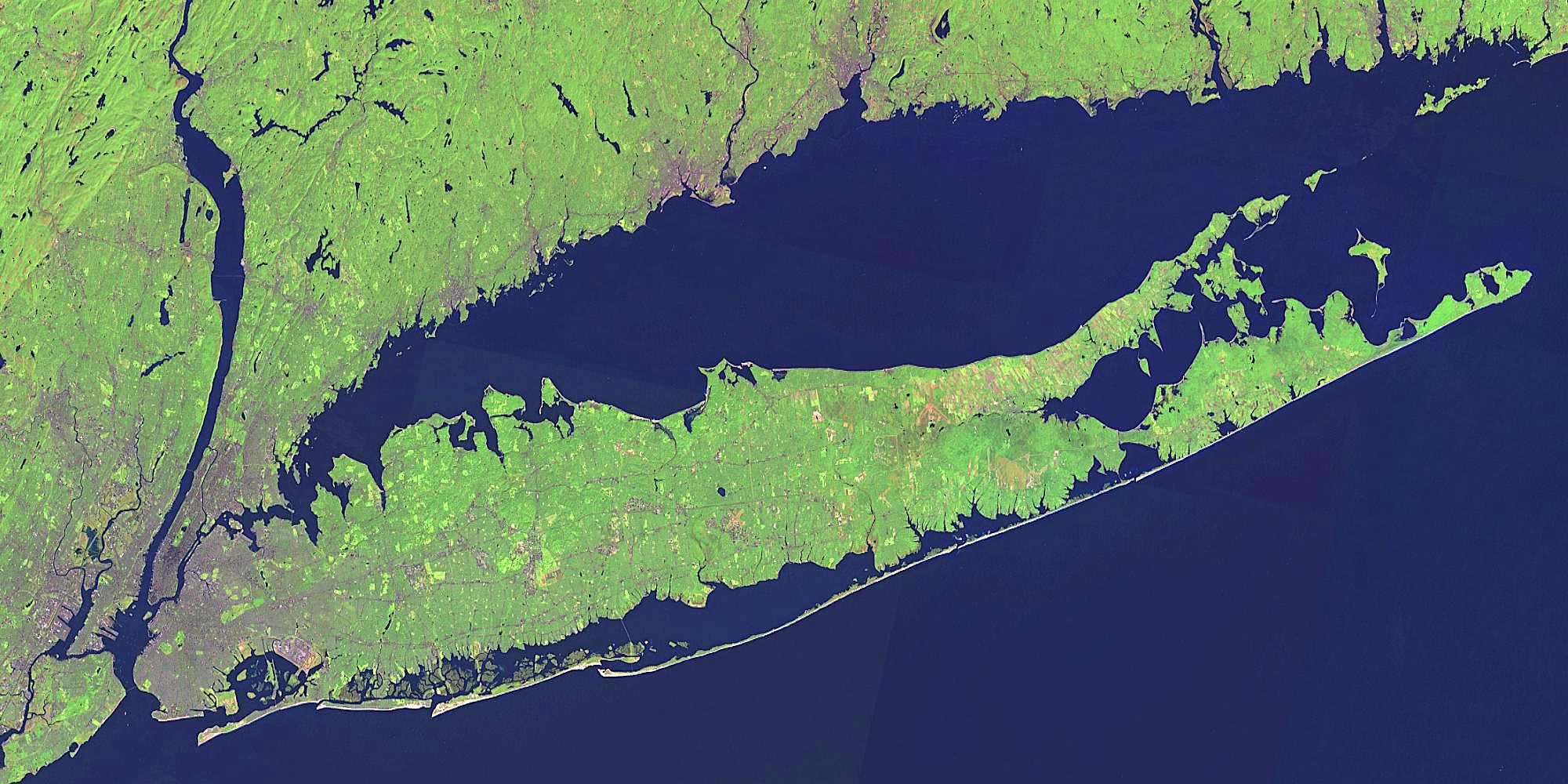
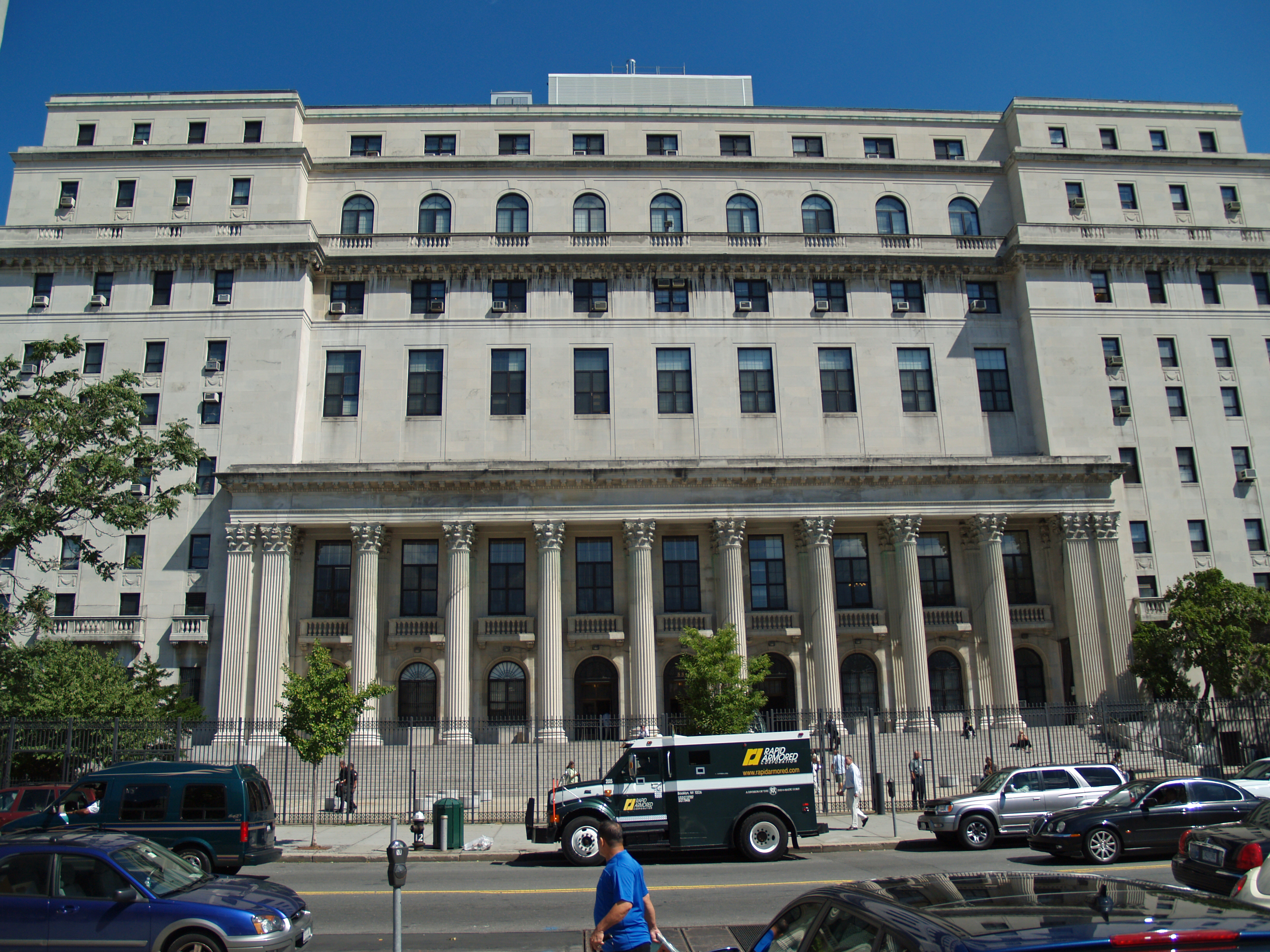
Queens is the easternmost and largest in area of the five boroughs of New York City.
It is geographically adjacent to the borough of Brooklyn at the southwestern end of Long Island and to Nassau County farther east on Long Island; in addition, Queens shares water borders with the boroughs of Manhattan and the Bronx. Coterminous with Queens County since 1899, the borough of Queens is the second-largest in population (after Brooklyn), with a census-estimated 2,358,582 residents in 2017, approximately 48% of them foreign-born.
Queens County also is the second-most populous county in the U.S. state of New York, behind the neighboring borough of Brooklyn, which is coterminous with Kings County. Queens is the fourth-most densely populated county among New York City's boroughs, as well as in the United States. If each of New York City's boroughs were an independent city, Queens also would be the nation's fourth most populous, after Los Angeles in California, Chicago in Illinois and Brooklyn. Queens is the most ethnically diverse urban area in the world.Queens was established in 1683 as one of the original 12 counties of New York. The settlement was presumably named for the Portuguese Princess Catherine of Braganza (1638–1705), Queen of England, Scotland and Ireland.
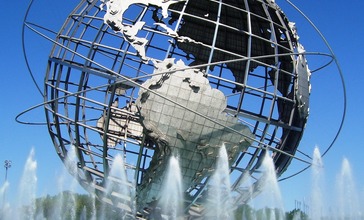
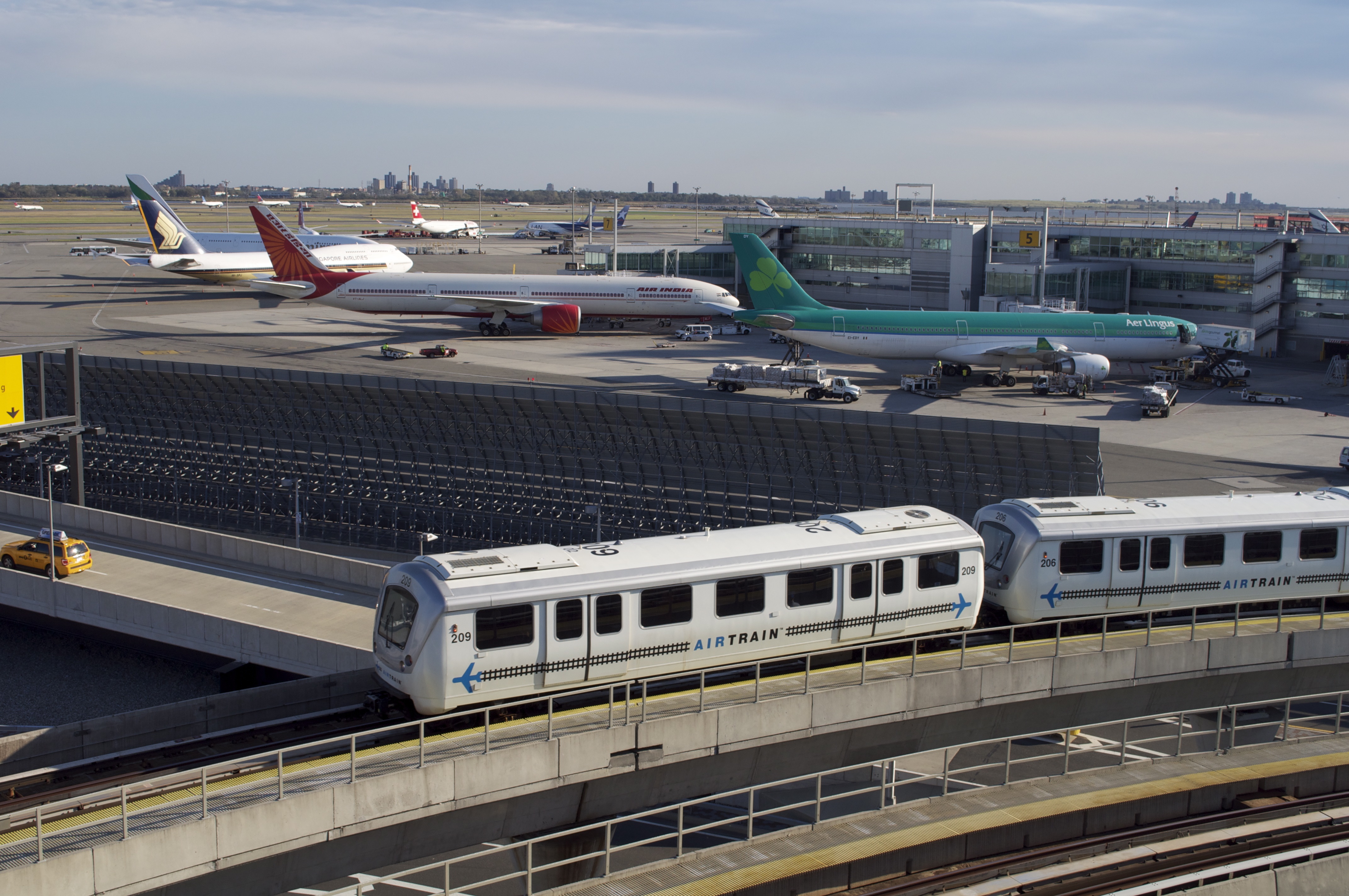
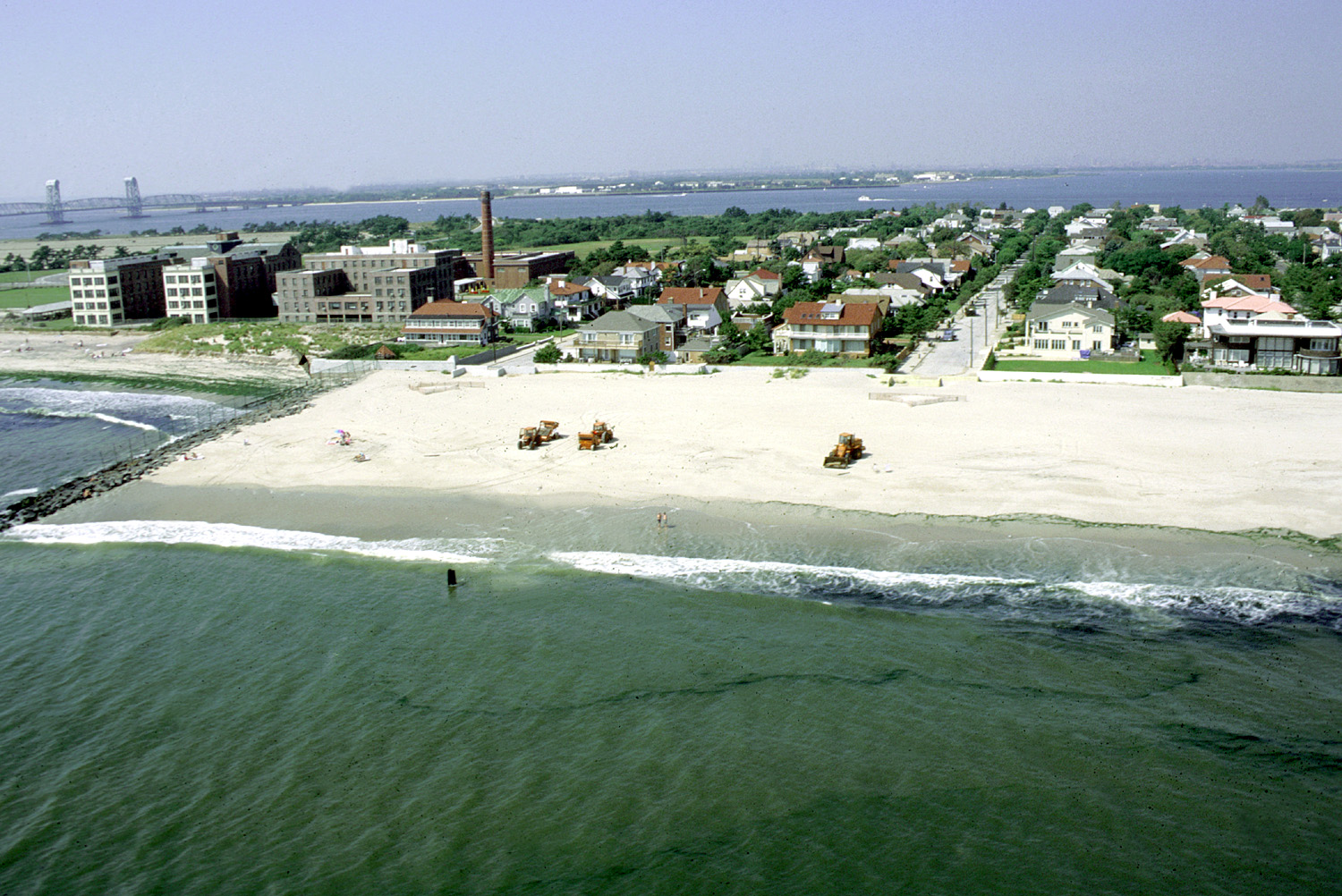
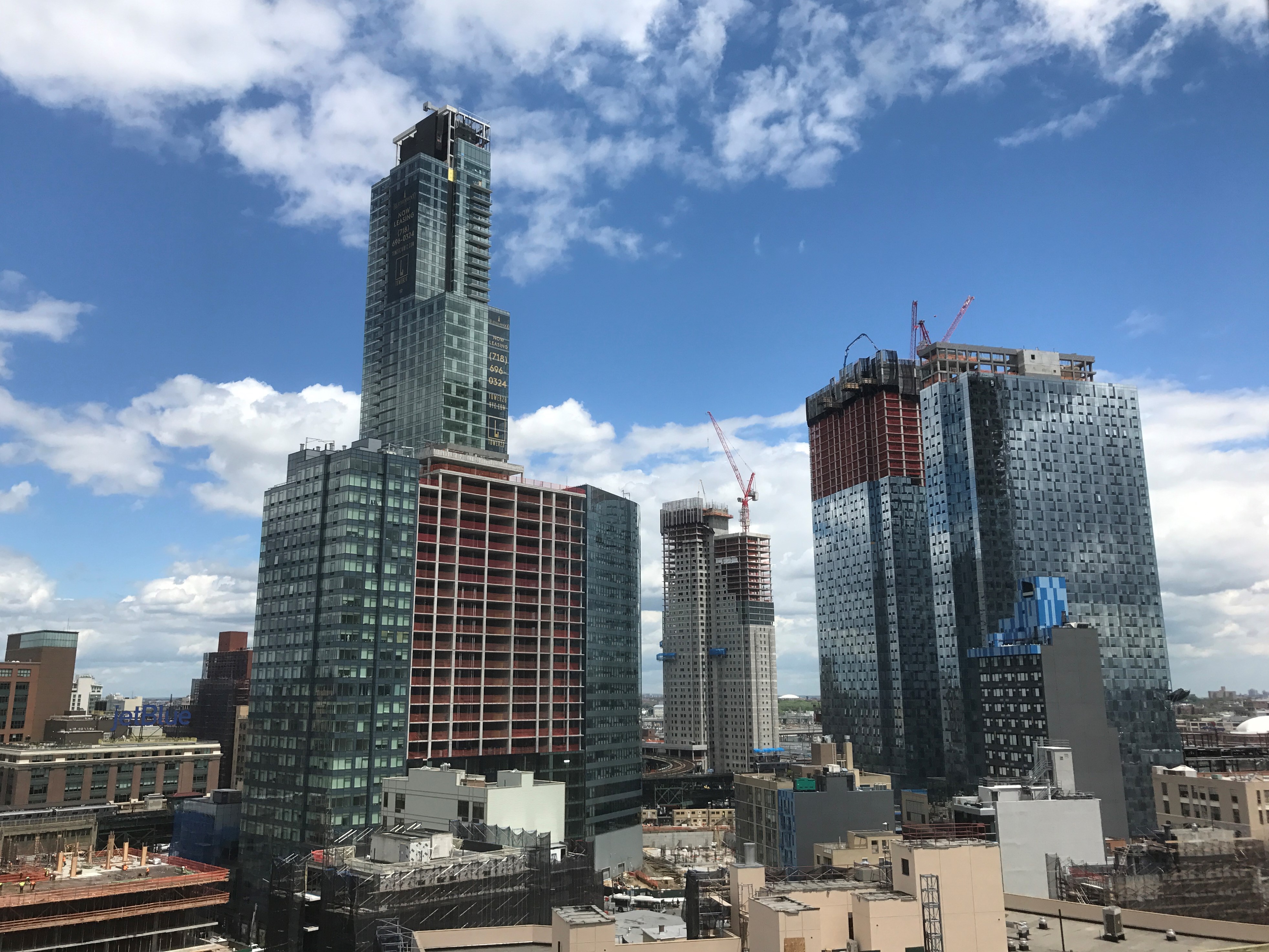
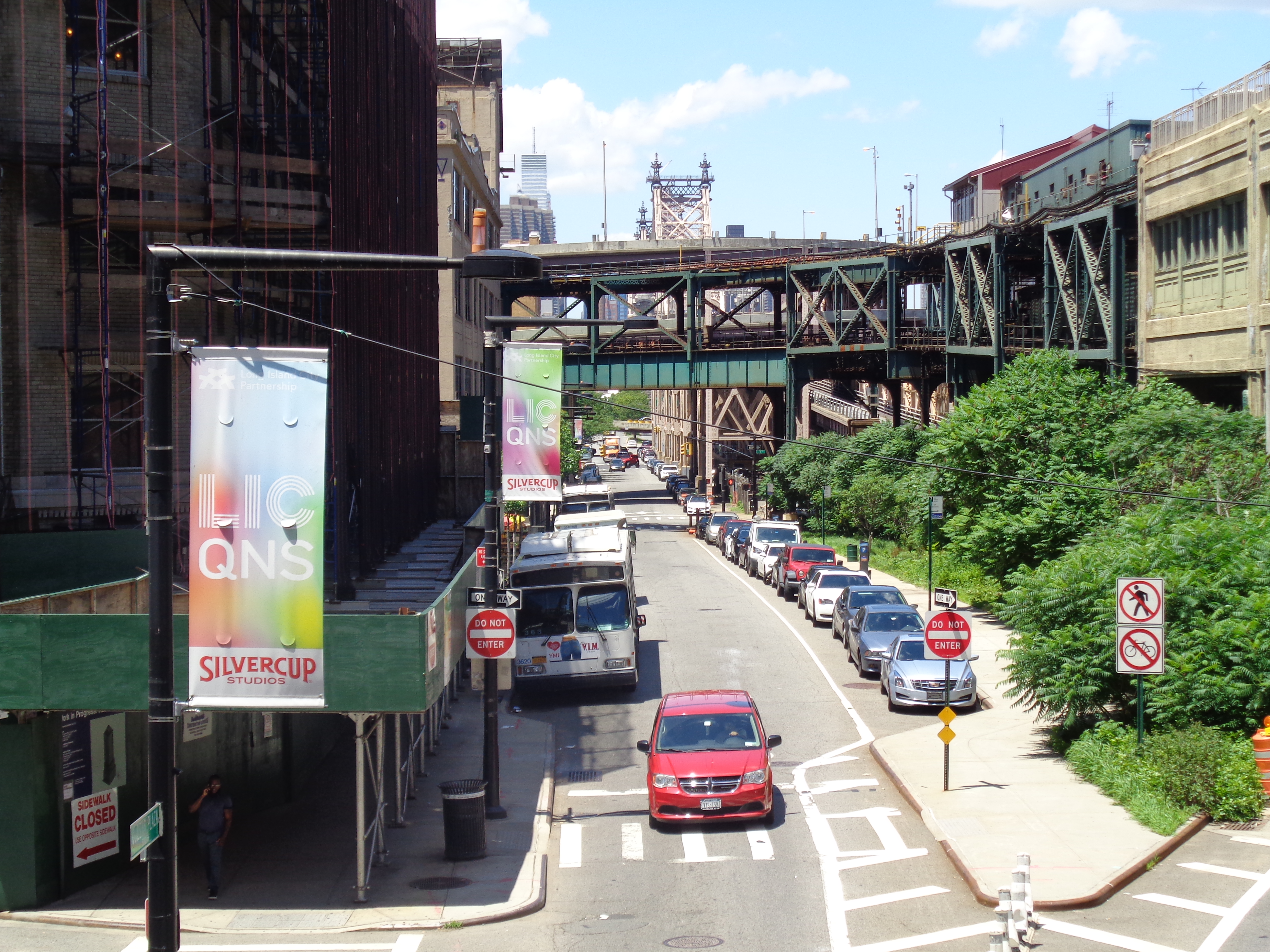
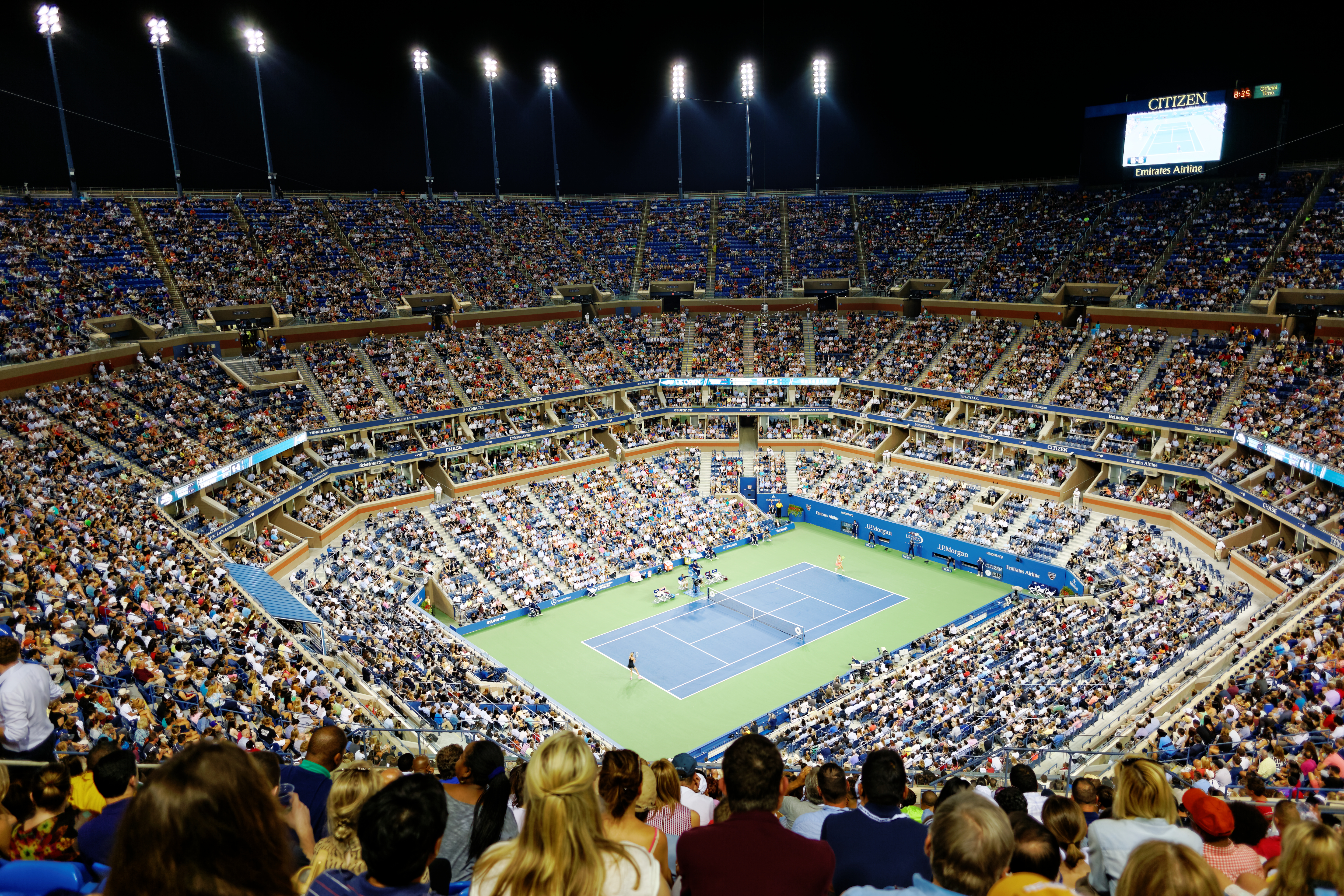
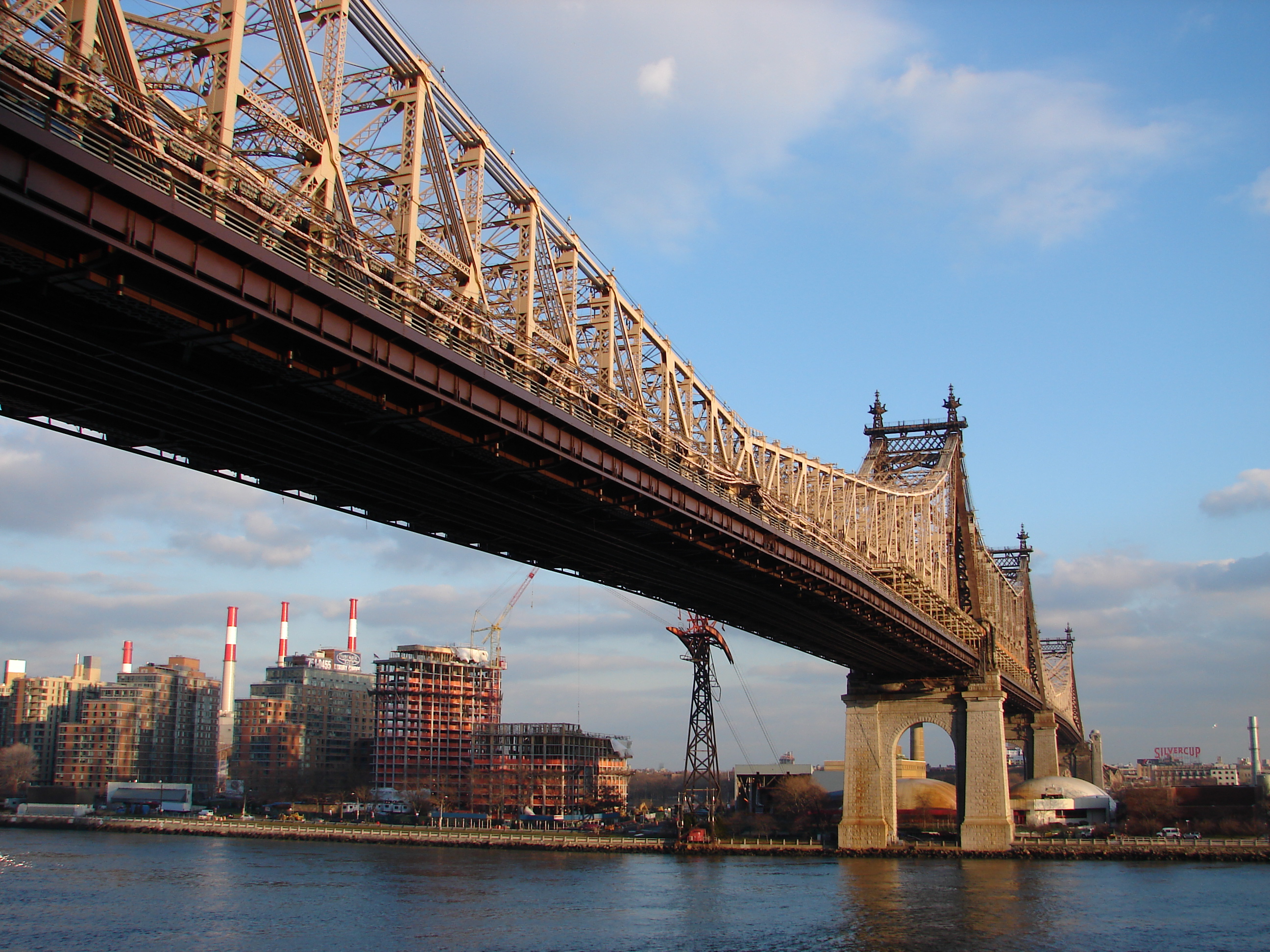
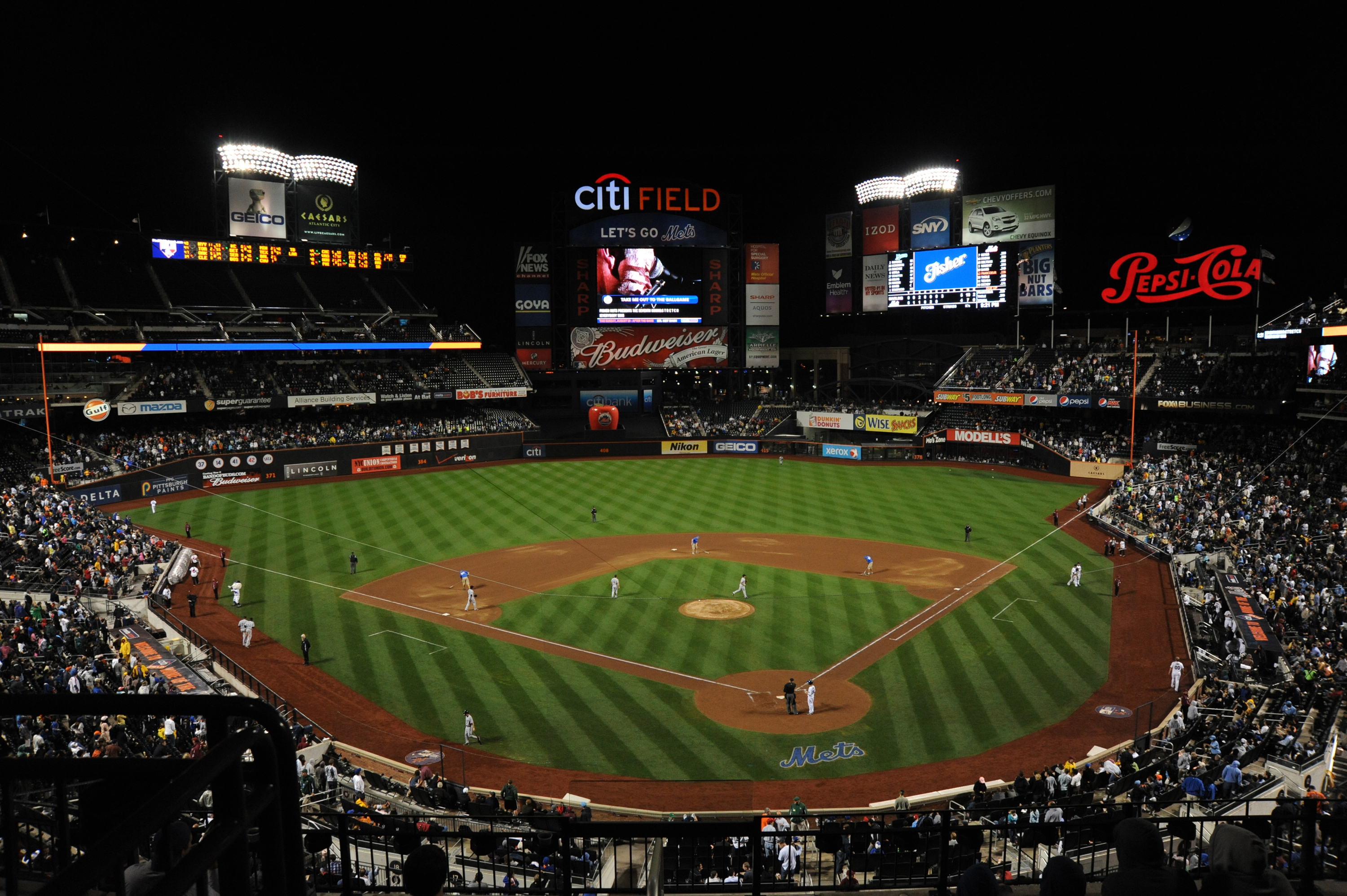
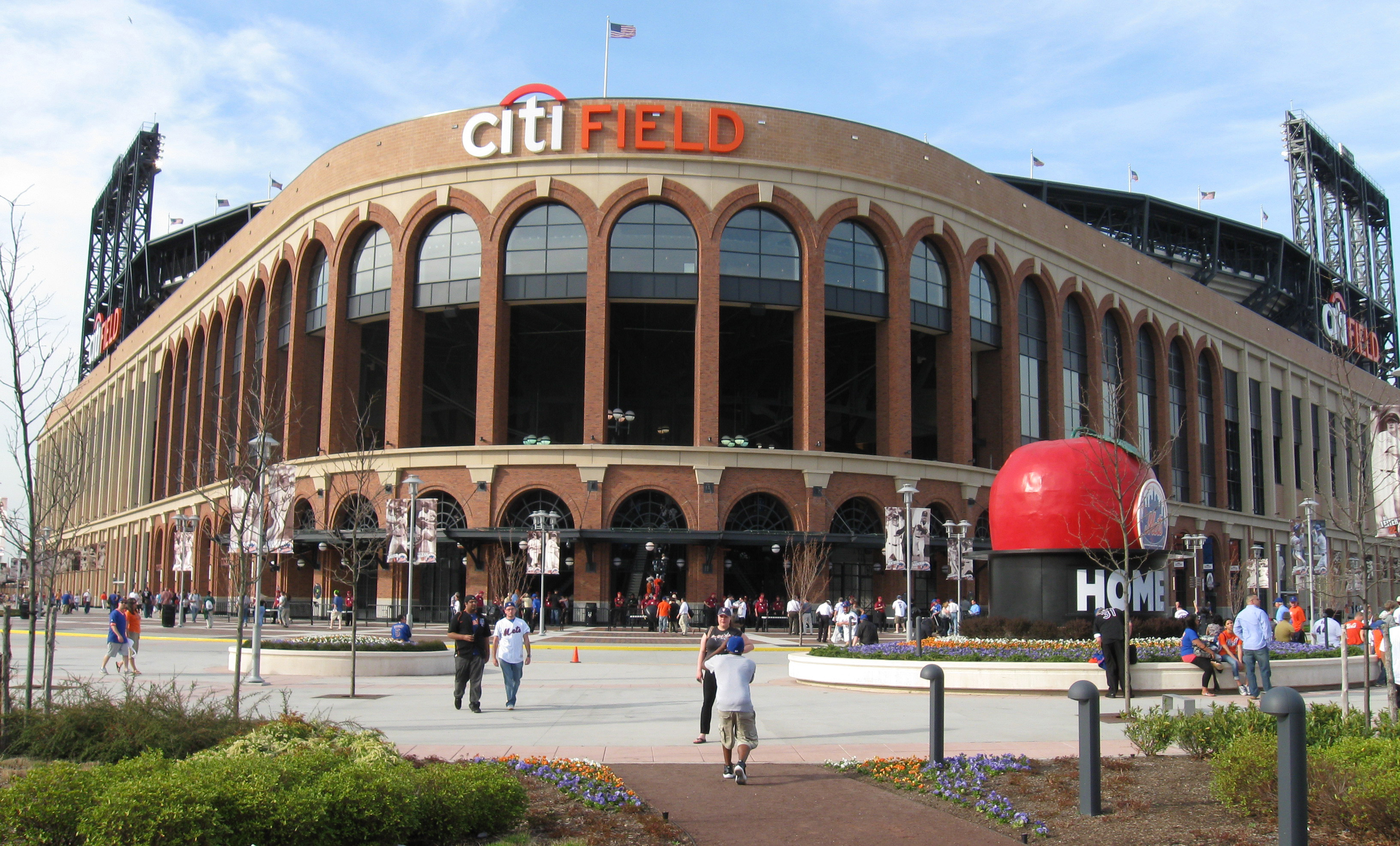
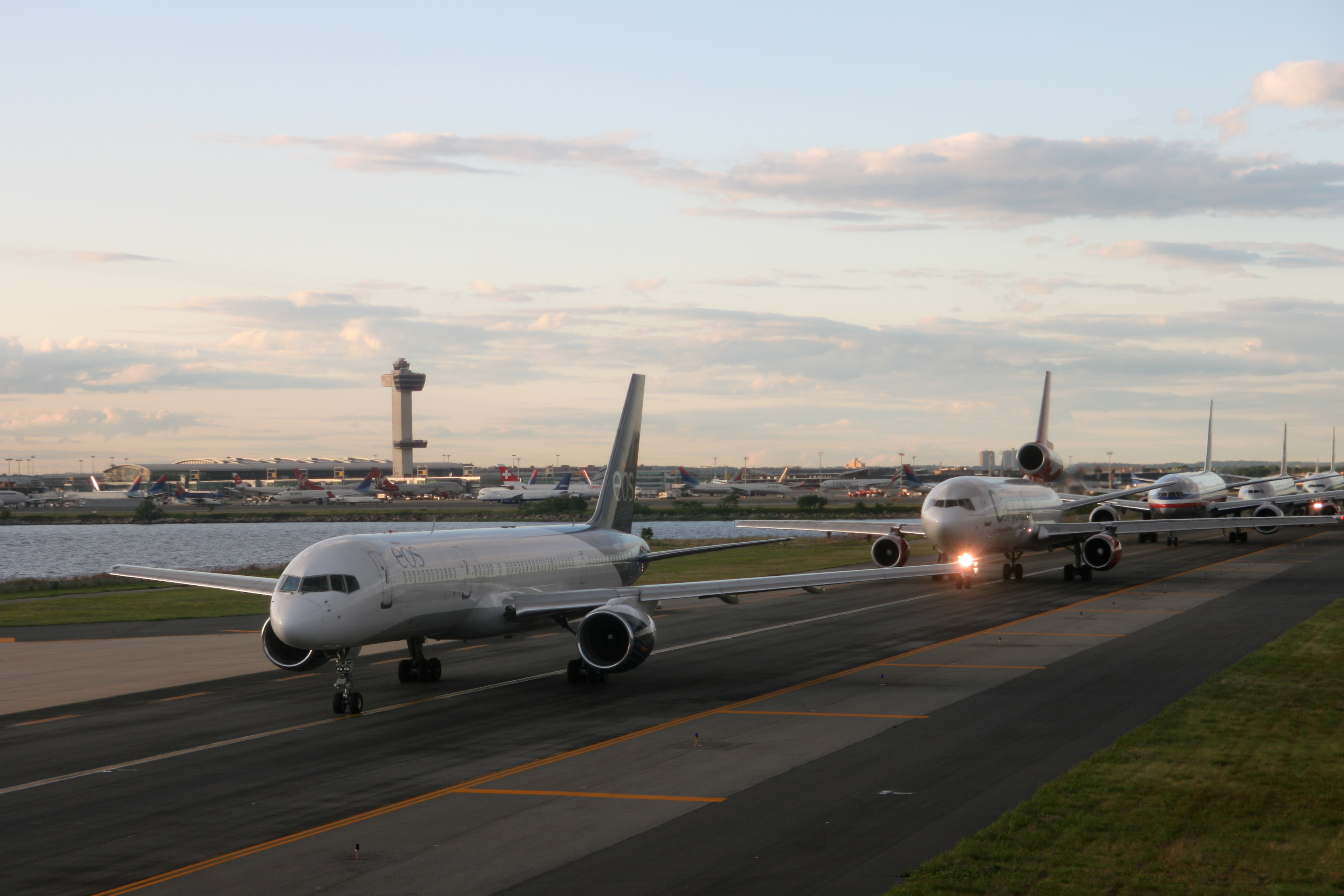
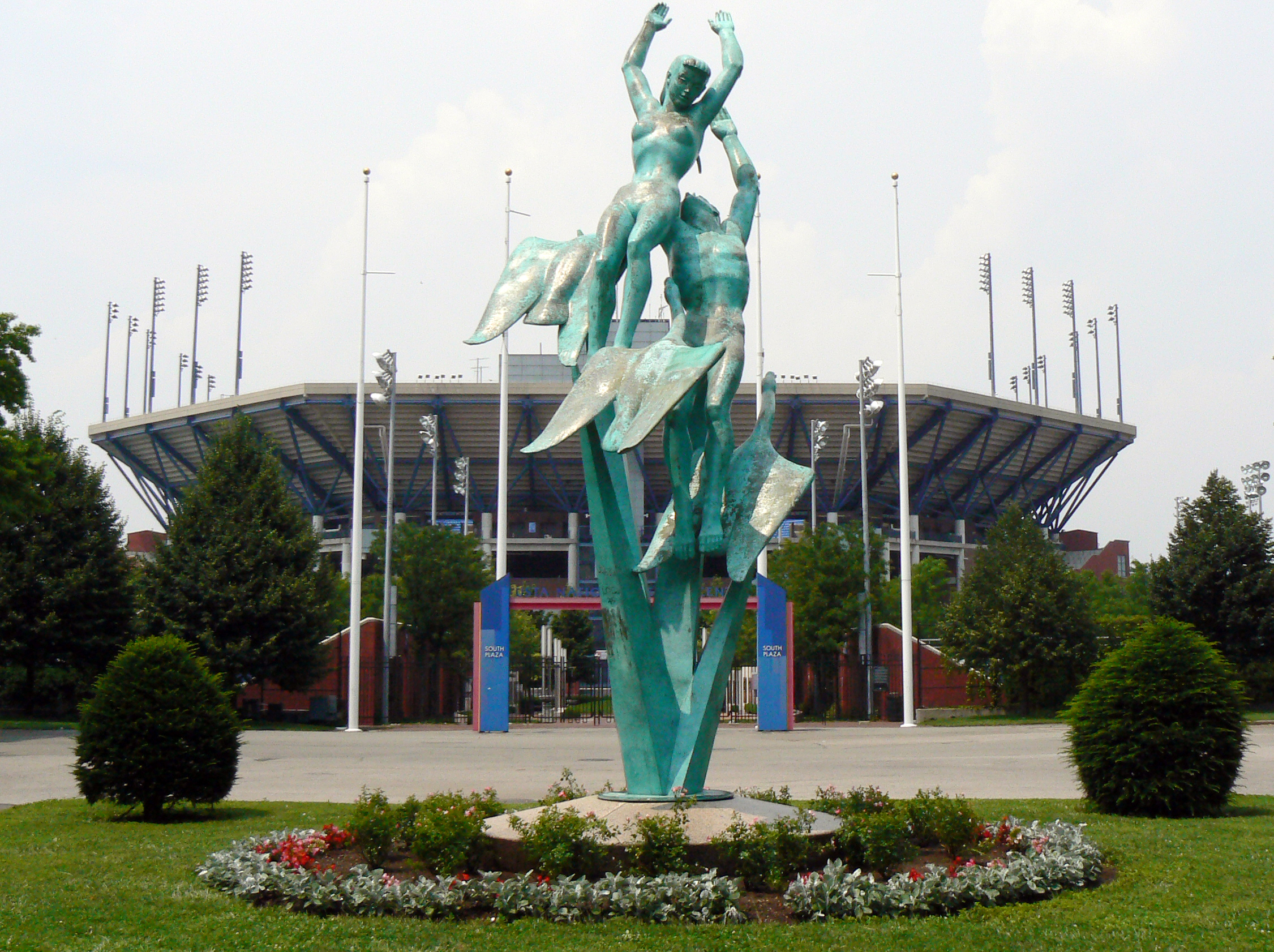
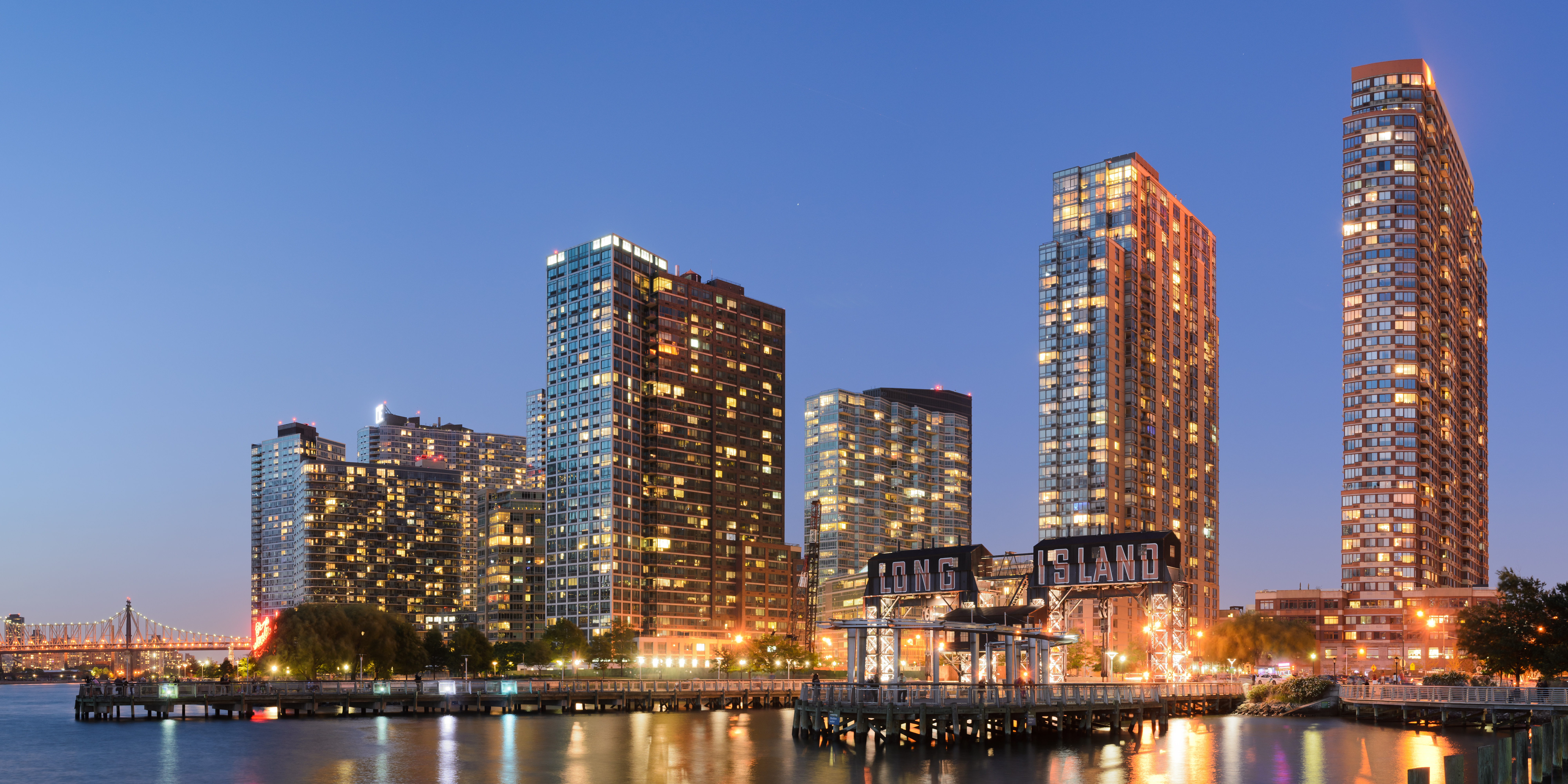
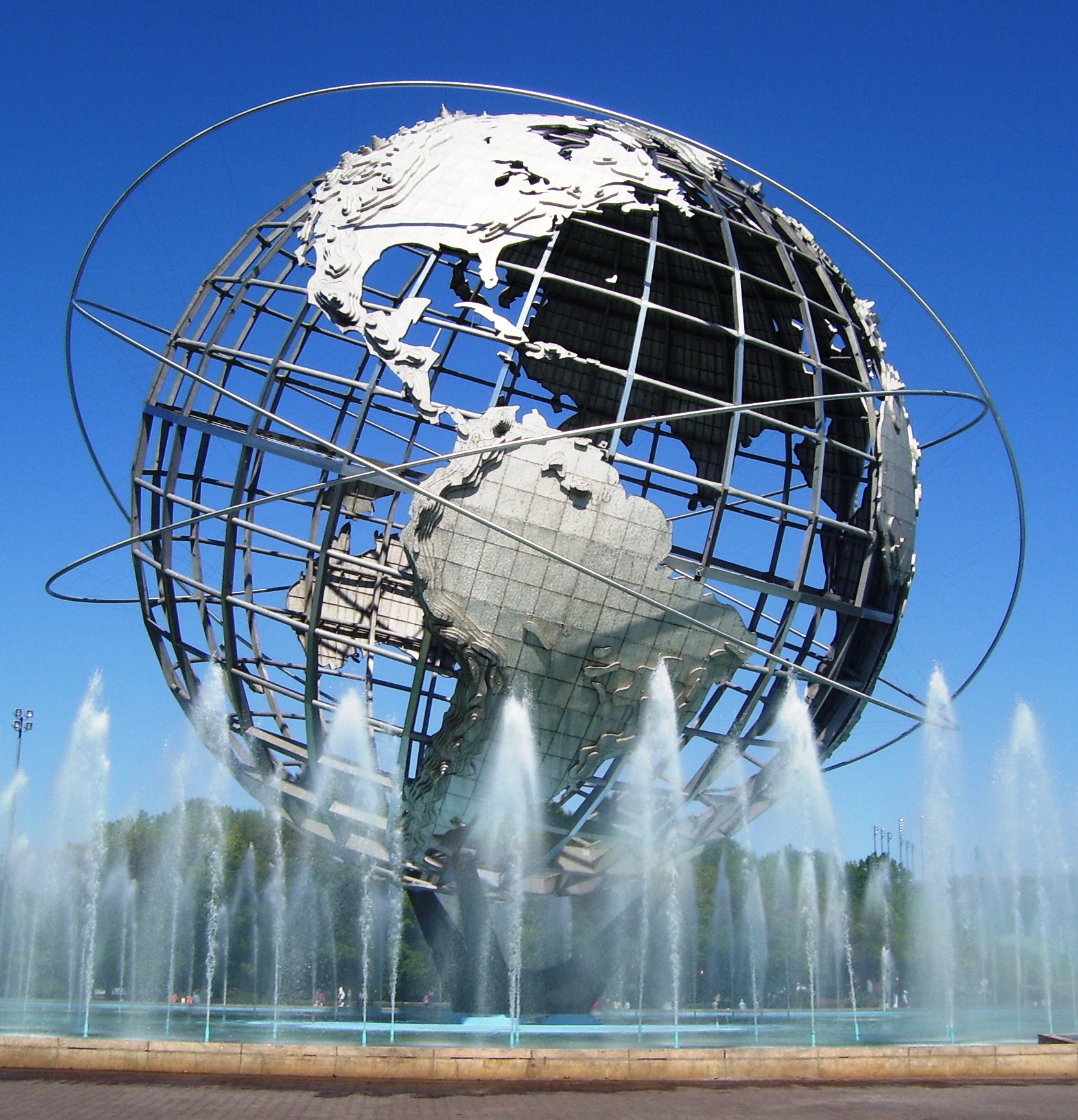
Queens became a borough during the consolidation of New York City in 1898, and from 1683 until 1899, the County of Queens included what is now Nassau County. Queens has the most diversified economy of the five boroughs of New York City. It is home to JFK International Airport and LaGuardia Airport. These airports are among the world's busiest, in turn giving Queens the busiest airspace in the United States. Landmarks in Queens include Flushing Meadows Corona Park, Citi Field (home to the New York Mets baseball team), the USTA Billie Jean King National Tennis Center (site of the US Open tennis tournament), Kaufman Astoria Studios, Silvercup Studios, and Aqueduct Racetrack. The borough has diverse housing, ranging from high-rise apartment buildings in the urban areas of western and central Queens, such as Jackson Heights, Flushing, Astoria, and Long Island City, to somewhat more suburban neighborhoods in the eastern part of the borough, including Little Neck, Douglaston, and Bayside.
reviews (298)


There are many different sized families there. Kids of different ages are in the neighborhood. I feel confident all of the time there. I have lived there all my life and just love it.
We have all different age groups in our neighborhood with age related activities. We have day cares, preschools, public,and private schools. We have senior centers, senior trips etc.
definitely age friendly as there are discounts specifically for seniors in a lot of stores here and supermarkets. and movie discounts for seniors. The storees welcome senior citizens.
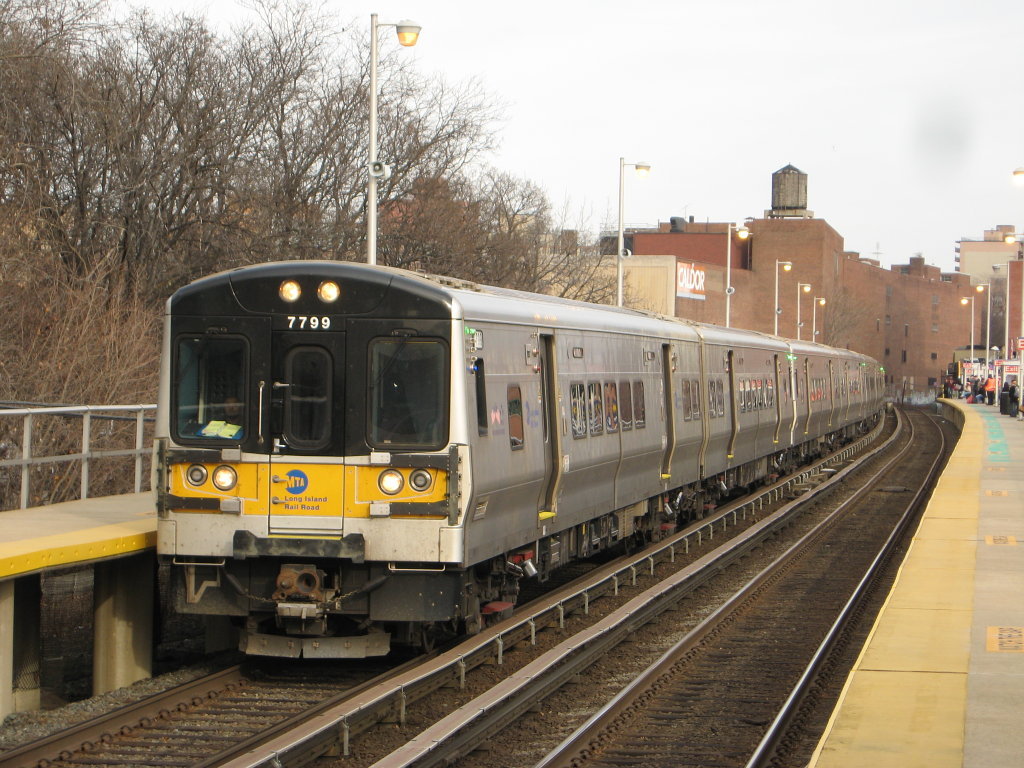
Friendly – All age ranges live here. Nobody discriminates. Unfriendly – Public transportation is difficult here in what I call "the farthest reaches of northeast Queens". The bus stop is several blocks away and doesn't run a lot in off-peak hours. The walk can be uphill depending on the starting point. Then it takes about an hour on the bus to get to the last stop on the #7 at Main St. From there you can go west in Queens and thence to Manhattan. To get to the LIRR, you have about a 20 min. walk to one of two local stations, more if you live farther than I do.


 1 like








My neighborhood is extremely age friendly. We have people living here of all ages, young singles, young families, middle aged singles and middle aged married, as well as many senior citizens who have lived here from birth and never left. The younger ages always help out the senior citizens of this neighborhood, by running errands, shoveling snow, putting out the trash, etc. We have a broad mix of all generations living side by side.